
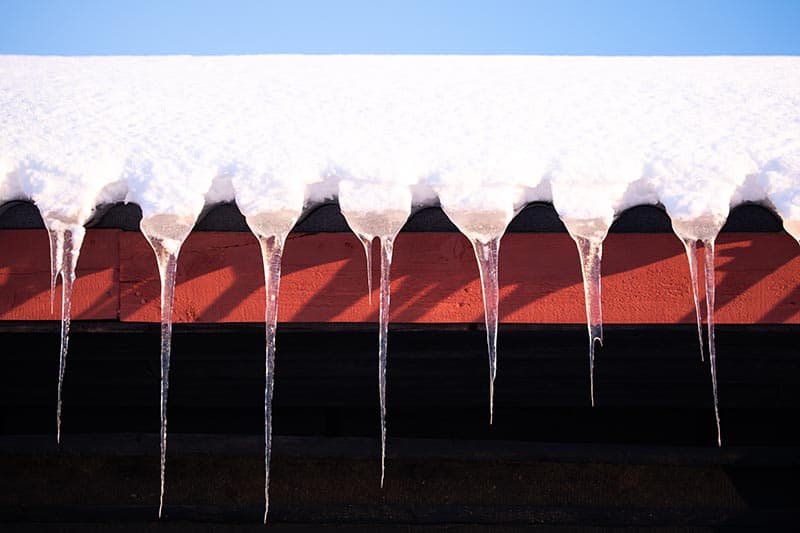
January is often the harshest month for roofs in Northwest Ohio. While snow and ice get most of the attention, it’s the freeze–thaw cycle that causes the most damage.
Understanding how these cycles affect your roof can help prevent costly repairs and long-term issues.
What Is a Freeze-Thaw Cycle?
Freeze–thaw cycles happen when daytime temperatures rise above freezing and then drop again overnight. Snow melts, water seeps into small gaps, and freezing temperatures cause it to expand… widening cracks and weakening materials.
How Freeze–Thaw Cycles Damage Roofs
Over time, these cycles can lead to:
- Cracked or lifted shingles
- Deteriorating flashing around chimneys and vents
- Loosened fasteners
- Water intrusion beneath roofing materials
Even minor damage becomes worse with each temperature swing.
Why Freeze–Thaw Damage Is So Common in Our Area
Freeze–thaw cycles are especially aggressive in Findlay, Bowling Green, Perrysburg, and Port Clinton, where winter temperatures frequently swing above and below freezing.
Homes near Lake Erie, including Port Clinton, experience more moisture-driven freeze cycles, while inland areas like Findlay often deal with rapid overnight temperature drops that stress roofing materials.
This regional weather pattern makes winter roof inspections a critical part of protecting your home and preventing springtime leaks.
Why Attics Matter More in January
Warm air escaping into the attic accelerates freeze–thaw damage. Excess moisture leads to condensation, frosted nails, and even mold growth.
A winter attic inspection can reveal:
- Poor ventilation
- Insulation gaps
- Air leaks contributing to roof stress
Signs Homeowners Should Watch For
- Uneven snow melt patterns
- Water stains on ceilings or walls
- Dripping during warm-up periods
- Ice forming along roof edges
Plan Now for a Stronger Spring
January inspections help homeowners understand how winter is impacting their roof—and allow them to plan repairs or replacements before spring storms arrive.
At J. Alexander Roofing, we focus on education, prevention, and long-term solutions—so your roof is ready for whatever Ohio weather brings next.